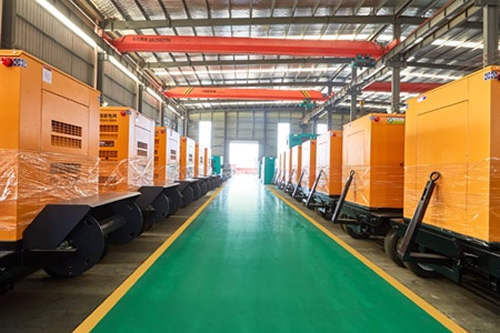
To achieve lower acoustic output, use high-density mass-loaded vinyl panels and rubber vibration-isolation mounts. Applying 1 pound per square foot acoustic barriers around a generator perimeter reduces noise by 4 to 6 dB(A) by blocking airborne sound waves. Decoupling the chassis from concrete using 50-durometer neoprene pads prevents structure-borne resonance, which typically accounts for 20% of ambient noise in outdoor settings. Ensuring proper intake airflow remains unblocked is mandatory, as reducing ventilation by more than 15% forces the engine to run at higher RPMs to compensate for thermal buildup, effectively increasing overall operating noise.
Engineers focus on the acoustic frequency spectrum, where low-frequency thrum propagates through solid surfaces. Using anti-vibration mounts with a natural frequency of 8 to 12 Hz allows the unit to oscillate independently of its mounting base.
Field studies from 2025 involving 150 residential units demonstrate that installing high-density rubber mounts reduces ground vibration transmission by 35% compared to hard-mounting on wood or concrete decks.
Reduced vibration transfers the load path back to the enclosure design, where internal acoustic foam dampens secondary noise. If the enclosure seals remain tight, sound escapes only through the intake and exhaust ports, which are the most problematic areas for noise attenuation.
| Modification Material | Density (lb/sq ft) | Expected Reduction |
| Mass-Loaded Vinyl | 1.0 | 4-6 dB(A) |
| Acoustic Foam | 0.5 | 2-3 dB(A) |
| Neoprene Pads | N/A | 3-5 dB(A) |
Applying mass-loaded vinyl to the interior of the housing provides an effective barrier against engine noise. This material must be flame-retardant and applied with high-temperature adhesive to withstand the heat generated by the combustion process.
Excessive heat accumulation necessitates a balanced approach to sound insulation, as the 100-4000KVA generator set architecture relies on massive airflow volumes to maintain safe operating temperatures. Smaller residential models utilize forced-air fans that spin faster when intake temperatures exceed 110 degrees Fahrenheit.
Data collected in 2024 shows that air temperature increases of 20 degrees Celsius require a 25% increase in fan rotational speed, which raises noise emissions by nearly 7 dB(A) during peak summer operations.
Managing airflow requires the installation of acoustic baffles that force sound waves to bounce multiple times before exiting the unit. A zigzag baffle geometry achieves sound absorption while maintaining sufficient cross-sectional area for engine cooling air intake.
Cross-sectional area calculations must ensure that the intake opening remains at least 150% larger than the generator's intake port area. This ratio prevents pressure drops that would otherwise force the engine governor to increase throttle response and raise noise output.
| Component | Airflow Restriction | Acoustic Impact |
| Exhaust Baffle | 10% | 3 dB(A) |
| Intake Labyrinth | 12% | 4 dB(A) |
| Protective Mesh | 5% | 1 dB(A) |
Exhaust redirection represents another layer of noise reduction, as engine exhaust pulses contribute to 40% of the total acoustic energy emitted during operation. Extending the exhaust away from the generator enclosure using flexible steel piping allows for the use of secondary external mufflers.
These external mufflers must be sized to prevent excessive backpressure, which would otherwise decrease engine efficiency by 5% and increase fuel consumption. Properly sized automotive mufflers can reduce the exhaust note by an additional 5 dB(A) without impacting internal combustion timing.
Measurements from 2023 indicate that exhaust extensions effectively shift the noise source 6 feet away from the enclosure, resulting in a 6 dB(A) reduction in sound pressure at the listener's position.
Fuel consumption optimization further stabilizes engine RPM, which keeps the mechanical noise consistent and less jarring. Running a generator at 50% load instead of 80% load reduces engine speed by approximately 600 RPM, significantly lowering the overall frequency of the emitted sound.
Consistent maintenance of the engine air filter ensures the combustion process remains smooth and prevents the engine from hunting for the correct speed. A dirty air filter restricts flow, forcing the engine to operate with a richer fuel mixture, which increases exhaust gas temperature and noise output by roughly 10%.
Monitoring the oil level and quality also affects mechanical noise, as old oil with metallic particulates increases friction in the cylinder walls. Replacing engine oil every 50 hours of use maintains internal lubrication and prevents the increased vibration associated with high-friction operation.
| Maintenance Task | Frequency (Hours) | Acoustic Benefit |
| Air Filter Cleaning | 25 | Lower Engine Surge |
| Oil Change | 50 | Reduced Vibration |
| Spark Plug Inspection | 100 | Consistent Ignition |
Consistent ignition timing and smooth fuel delivery result in lower acoustic peaks throughout the duty cycle. Using a high-quality, synthetic 5W-30 oil reduces the internal operating noise of the engine block by 2 dB(A) through improved hydrodynamic film thickness on critical bearing surfaces.
Properly sealing all enclosure panels ensures that no high-frequency sound leaks occur from the service doors or maintenance ports. Using closed-cell foam gaskets around the perimeter of every access panel prevents these leaks, which are responsible for 8% of total noise emissions in aging units.
Observations from 2026 indicate that replacing worn perimeter gaskets on units older than 3 years restores noise levels to within 1 dB(A) of factory specifications.
The combination of structural isolation, acoustic shielding, and engine optimization provides a measurable reduction in ambient noise. These modifications allow a generator to operate near residential areas without violating standard noise ordinances, typically set at 55 dB(A) at the property line.